The Netherlands Has a Government-Funded Scholarship for Mid-Career Professionals from Developing Countries That Most Scholarship Guides Never Mention
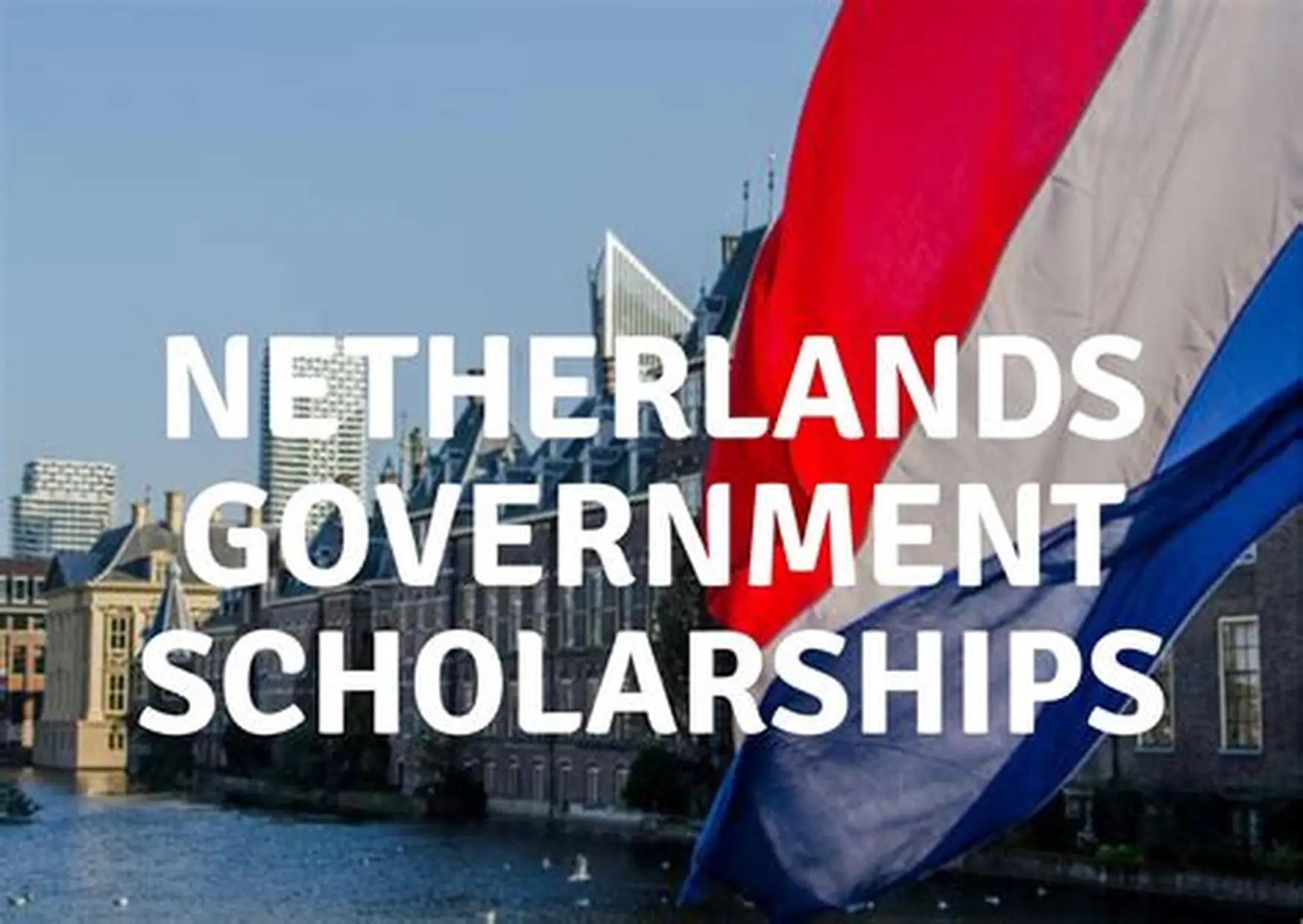
The Netherlands is home to some of Europe’s most internationally oriented universities, with hundreds of English-taught programmes at institutions that have invested heavily in attracting international talent. It is also home to one of the most practically focused international scholarship programmes available to mid-career professionals from developing countries: the Orange Knowledge Programme (OKP).
Where most scholarships target students or young professionals at the beginning of their careers, OKP specifically funds working professionals who are employed in their home country’s development sector and who want to access specific short courses or degree programmes at Dutch educational institutions to strengthen their professional effectiveness.
The programme is funded by the Dutch Ministry of Foreign Affairs and administered by Nuffic, the Netherlands organisation for internationalisation in education. It is one of the most practically aligned development scholarships available anywhere: it funds people who are already working on the problems their countries face, to get better at addressing those problems.
What the Orange Knowledge Programme Covers
OKP funds two types of study:
Short Courses
Short professional training courses of one week to several months at Dutch educational institutions. These are designed for professionals who cannot take an extended leave from their jobs but want specific technical or professional skill development. Short courses are typically highly practical and field-specific.
Tailor-Made Training (TMT)
Customised training programmes developed specifically for organisations or government agencies in OKP-eligible countries, often delivered partly in the Netherlands and partly in the home country.
Degree Programmes (Master’s and HBO)
Full master’s degree programmes and Dutch HBO (higher professional education, roughly equivalent to a master’s level professional qualification) programmes at Dutch universities and universities of applied sciences.
What OKP covers for degree programmes:
- Full tuition fees
- Monthly living allowance
- Return economy airfare
- Health insurance
- Visa and residence permit costs
- Accommodation allowance or support
Which Countries Are Eligible for the Orange Knowledge Programme
OKP is specifically targeted at developing countries. The eligible country list is managed by the Dutch Ministry of Foreign Affairs and reflects the Netherlands’ development cooperation priorities.
Sub-Saharan Africa eligible countries include: Ethiopia, Ghana, Kenya, Mali, Mozambique, Niger, Nigeria (for specific thematic priorities), Rwanda, Senegal, Sudan, Tanzania, Uganda, Zambia, and Zimbabwe among others.
The full list is updated annually. Confirm your country’s eligibility on the Nuffic OKP website at nuffic.nl before beginning your application.
Who Can Apply: The OKP Professional Profile
Unlike most degree scholarships, OKP has specific professional requirements that go beyond academic qualifications:
Professional Employment
You must be employed at the time of application in an organisation in your eligible country. OKP is for working professionals, not for recent graduates without employment.
Employer Nomination or Agreement
For degree programmes, your employer must agree to support your study leave and confirm your return to the organisation after completing your studies. An employer support letter is a key application document.
Thematic Relevance
Your proposed programme must connect to one of OKP’s priority development themes:
- Water management and water security
- Agriculture and food systems
- Sexual and reproductive health and rights (SRHR)
- Security and rule of law
- Access to quality basic education
Fields outside these themes are generally not funded under OKP, though specific thematic emphases can vary by country. Check the OKP country page for your specific country’s priority sectors.
Language Proficiency
The Netherlands conducts most of its internationally oriented programmes in English. IELTS 6.0 or TOEFL iBT 80 is typically the minimum requirement, with some programmes requiring higher scores.
Dutch Universities and Institutions Offering OKP-Funded Programmes
A wide range of Dutch universities and vocational institutions offer OKP-approved programmes. The main institution types include:
Research Universities
- Delft University of Technology (TU Delft): Engineering, water management, urban infrastructure
- Wageningen University: Agriculture, food science, environmental management
- Maastricht University: Governance, health policy, development economics
- Erasmus University Rotterdam: International development, health economics, governance
- University of Amsterdam: Social sciences, governance, economics
Universities of Applied Sciences (HBO Institutions)
- IHE Delft (Institute for Water Education): The world’s largest international institute for water education, specifically focused on water management professionals from developing countries
- Van Hall Larenstein University of Applied Sciences: Agriculture, forest and nature management
- International Institute of Social Studies (ISS) at Erasmus: Development economics and policy
IHE Delft deserves particular attention for OKP applicants in water-related fields. It is a specialised institution entirely dedicated to water management education at the postgraduate level, primarily serving professionals from developing countries, and it has decades of experience supporting OKP scholars specifically.
How to Apply for the Orange Knowledge Programme 2026
Step 1: Identify OKP-Eligible Programmes in Your Field
Go to the Nuffic OKP website and use the course finder tool to search for programmes relevant to your field, country, and career level. The tool lists only programmes currently approved for OKP funding.
Step 2: Apply to Both the Programme and OKP Simultaneously
Most OKP applications involve a combined process: you apply to the Dutch educational institution for admission and to OKP for scholarship funding simultaneously. Both applications need to be complete and submitted by the relevant deadlines.
Step 3: Prepare Your Documents
Required documents typically include:
- Completed OKP application form
- Academic transcripts and degree certificates
- Evidence of current employment (employment letter from your employer)
- Employer support letter confirming your study leave and return commitment
- Motivation letter explaining how the programme connects to your professional work and development goals in your home country
- Curriculum vitae
- English language test results
- Passport copy
Step 4: Application Review and Selection
Nuffic and the Dutch Ministry of Foreign Affairs review OKP applications. Selection criteria weight professional experience and the development relevance of the proposed study heavily alongside academic qualifications.
Step 5: University Admission
If your OKP scholarship application is approved, you then complete formal enrolment at the Dutch institution. The scholarship activation follows after enrolment confirmation.
Living and Studying in the Netherlands
The Netherlands is one of Europe’s most international and English-friendly countries. Amsterdam, Delft, Rotterdam, Wageningen, and Maastricht are all cities with large international student communities and English is widely spoken in daily life.
The Netherlands is known for its flat terrain, bicycle culture, world-class public transport, and highly organised society. Living costs are moderate by Western European standards, particularly outside Amsterdam. Dutch food culture has improved dramatically in recent years, and the country’s multicultural urban environments make adaptation for African and Asian students relatively smooth.
Dutch universities are known for problem-based learning and interactive teaching methods that value student participation and practical application over passive lecture attendance. This pedagogical style suits working professionals who come with real professional context to bring to academic discussions.
2026 Application Timeline for the Orange Knowledge Programme
The OKP scholarship follows a structured annual cycle, and missing deadlines is one of the most common reasons applicants fail. For the 2026 intake, applicants should expect the process to follow a similar pattern to previous years:
- January – March: Course availability updates and institution-level admissions open for selected programmes
- March – May: Most OKP application windows open for short courses and master’s programmes
- June – August: Review and selection of candidates by Nuffic and partner institutions
- September – December: Final admission confirmation, visa processing, and travel preparation
Exact deadlines vary by institution and programme, so applicants must always check the specific course page on the official OKP portal before applying.
Most Mistakes That Lead to OKP Rejection
Many qualified applicants lose the scholarship not because of academic weakness, but due to avoidable errors in their application. The most common mistakes include:
- Weak motivation letter that does not clearly link the course to development impact in the home country
- Missing or poorly written employer support letter
- Applying for programmes outside OKP priority thematic areas
- Incomplete documentation or late submission
- Generic CV that does not highlight professional achievements
A strong application clearly shows how the training will be applied directly to the applicant’s workplace after returning home.
What Makes a Strong OKP Application
Successful applicants usually demonstrate three key strengths: professional relevance, development impact, and leadership potential. The selection committee prioritises candidates who can show measurable ways their training will improve systems, institutions, or services in their home countries.
A strong motivation letter typically includes specific examples of workplace challenges and how the Dutch training will solve them. It also shows long-term commitment to returning and contributing to national development.
Life After Studying in the Netherlands Under OKP
Graduates of the Orange Knowledge Programme often return to leadership positions in government agencies, NGOs, universities, and private sector organisations. The programme is designed to create “change agents” who can transfer knowledge and skills directly into development sectors.
Many alumni also become trainers, consultants, and policy advisors within their home countries. The international exposure gained in the Netherlands also strengthens their ability to work in multinational environments and development organisations.
Final Advice for 2026 Applicants
The Orange Knowledge Programme is not a general scholarship—it is a professional development tool. Applicants who approach it as a career upgrade linked to national development priorities have a significantly higher chance of success.
Start preparation early, secure strong employer backing, and carefully select programmes that align directly with your job role. Avoid random course selection, as the programme prioritises clear development impact over general academic interest.
Frequently Asked Questions About the Orange Knowledge Programme
Is OKP a fully funded scholarship?
Yes. For degree programmes, OKP covers full tuition, living allowance, airfare, health insurance, visa costs, and accommodation support. It is a comprehensive award for eligible candidates.
Can students (non-employed) apply for OKP?
No. OKP is specifically for working professionals currently employed in an eligible developing country. Students who have not yet entered professional employment are not eligible.
Can Nigerian professionals apply for OKP?
Nigeria is included in the OKP eligible country list for specific thematic priorities. Nigerian professionals working in water management, agriculture, health, education, or security and rule of law fields should check the Nigeria-specific OKP page on the Nuffic website for currently funded programmes and themes.
How competitive is the OKP scholarship?
OKP is competitive but the specific professional eligibility requirements, combined with the development-relevance focus, create a more targeted applicant pool than general degree scholarships. Well-prepared professionals with clear, evidenced connections between their work and the proposed programme are strong candidates.
Is Dutch language knowledge required for OKP programmes?
Most OKP-approved programmes are English-taught. Dutch language proficiency is not required for English-taught programmes, though basic Dutch is useful in daily life in the Netherlands.